

Data acquisition & test automation
Keep the equipment that works. Modernize everything around it.
Data acquisition and test automation software for mixed-brand and legacy instruments, PLCs and sensors. Centralize measurements, graphs and reports using the equipment you already own.
No equipment barrier. Start with what you have and scale one station at a time.
SOUND ON · 22 SEC
LABOS ARTIFICIAL INTELLIGENCE DESIGN DIRECTOR
Catch the fault before physical testing.
It unifies energy, temperature, water and flow, motion, load and product-state data; machine learning catches the likely fault; artificial intelligence gives the designer feedback and guides the design.
Watch the video on its own page ↗- 01ENERGY · TEMP · WATER · MOTION
- 02MACHINE LEARNING
- 03DESIGN FEEDBACK
- 04PRODUCT OWNER APPROVAL

Teknogirişim Rozeti



Connection layer
- Modbus RTU/TCP
- SCPI
- Siemens S7
- Serial
- TCP/IP
- Custom adapters
Why LabOS?
Mixed equipment.
One source of truth.
LabOS does not erase device diversity; it connects every asset to one operating model.
Today’s frictionFragmented
- 01A different interface and protocol at every station
- 02Records split across PCs, Excel files and email
- 03Deviations discovered only after the test ends
Common operating layerConnected
- 01Device and data flows unified through adapters
- 02Live status, central archive and controlled access
- 03Full-resolution analysis and a trusted foundation for artificial intelligence
LabOS Intelligence Layer
Do more than collect data.
Make it ready to learn.
Machine learning catches likely faults before physical testing; artificial intelligence gives the designer evidence-linked feedback and guides the design.
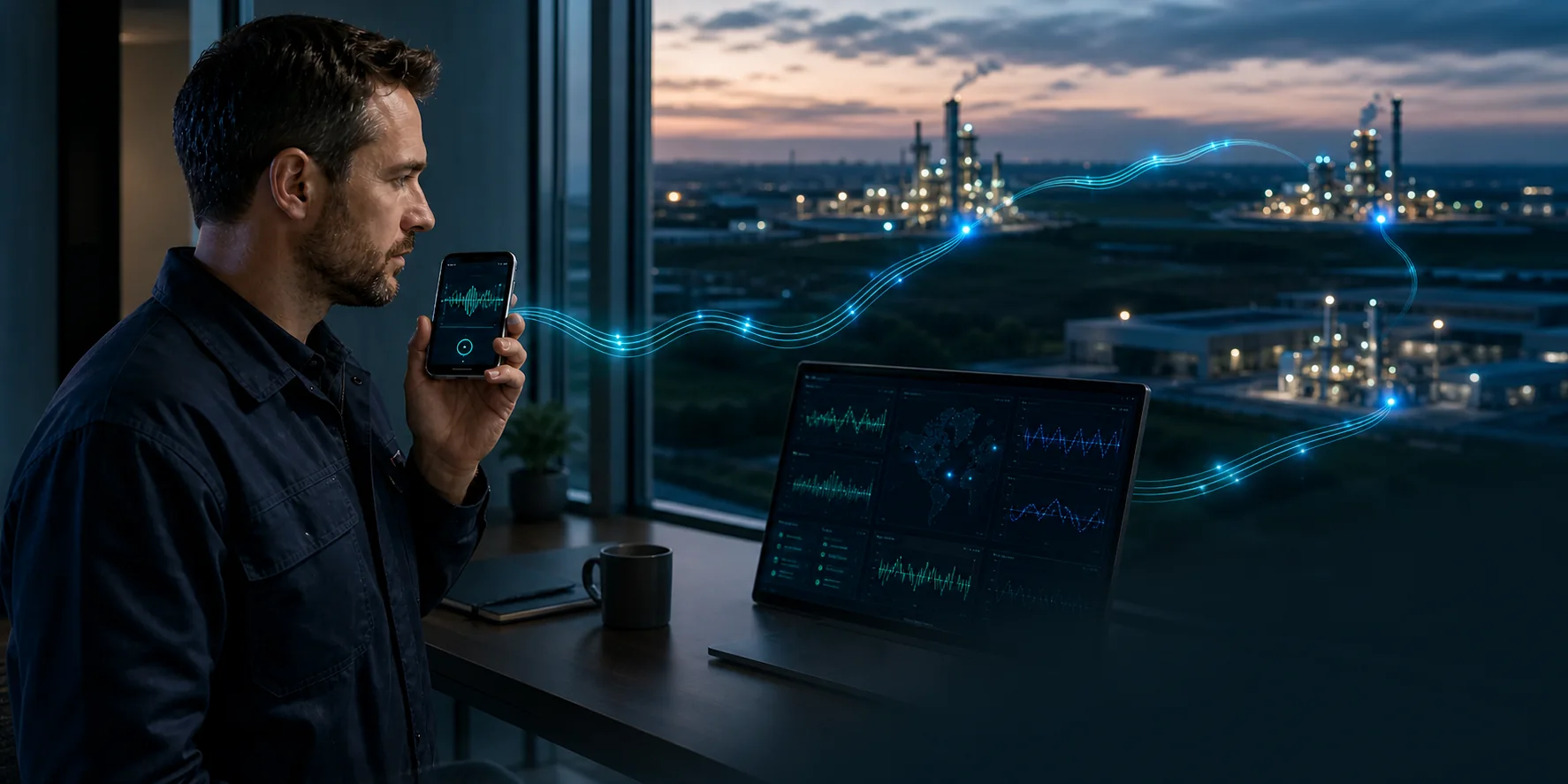
YOU
What stands out across the remote stations?
LabOS
Answer linked to measurements and run history across sitesThe current curve is drifting from the historical run baseline.
MOBILE ARTIFICIAL INTELLIGENCE · REMOTE FIELD OPERATIONSAsk from anywhere. Let the field answer.
- VOICE / ASK
- REMOTE / ANALYZE
- EVIDENCE / GUIDE
3 PROBLEMS / 3 VOICED SOLUTIONS
Short answers with English narration.
DATA01
Context-rich test data
Run, channel, outcome and version in one trace
MACHINE LEARNING02
Catch the fault before the test
Finds likely faults across electrical, thermal, hydraulic, motion and product-state patterns before physical testing
ARTIFICIAL INTELLIGENCE03
Guide the designer
Turns field evidence into feedback and a clear design direction
PRODUCT OWNER04
Make the final call
Artificial intelligence authority grows in stages while final approval stays with the product owner
Catch early
Guide the design
Decide
Clear boundary: Artificial intelligence authority expands inside defined safety limits; final approval of the design direction remains with the product owner.
Beyond data logging
The full test lifecycle.
One backbone.
Connect
Acquire
Protect
Learn
THE LABOS PRINCIPLE
Isolate the fault. Keep healthy stations running. Protect acquired data.
Equipment in the field
Different generations.
One data backbone.
More than 50 ready device profiles across Yokogawa series, the Siemens S7 family, Keysight equipment and 6 Testo devices. The open adapter architecture keeps expanding.
- 50+
- ready device profiles
- 9+
- protocols and interfaces
- OPEN
- extensible adapters
The LabOS adapter principle
Equipment is not a barrier to transformation.
If a device exposes data through serial, IP, VISA or a vendor-specific interface, we connect it to the shared data model through the adapter layer.
Expandable connectivityTesto measurement ecosystem with 6 ready devices
Six Testo device profiles are field-ready; additional models with a communication interface can join the shared adapter layer.
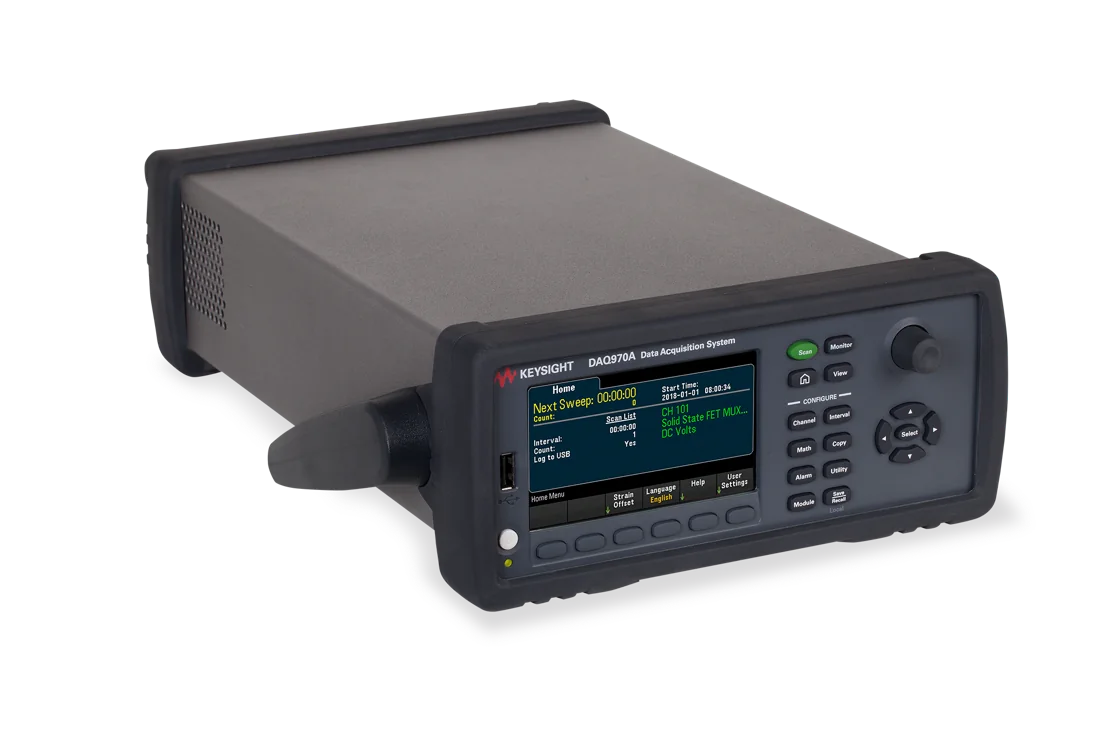
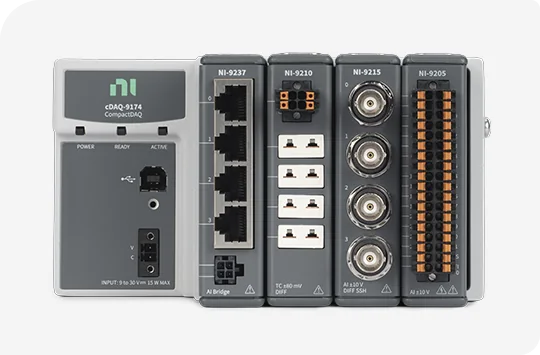
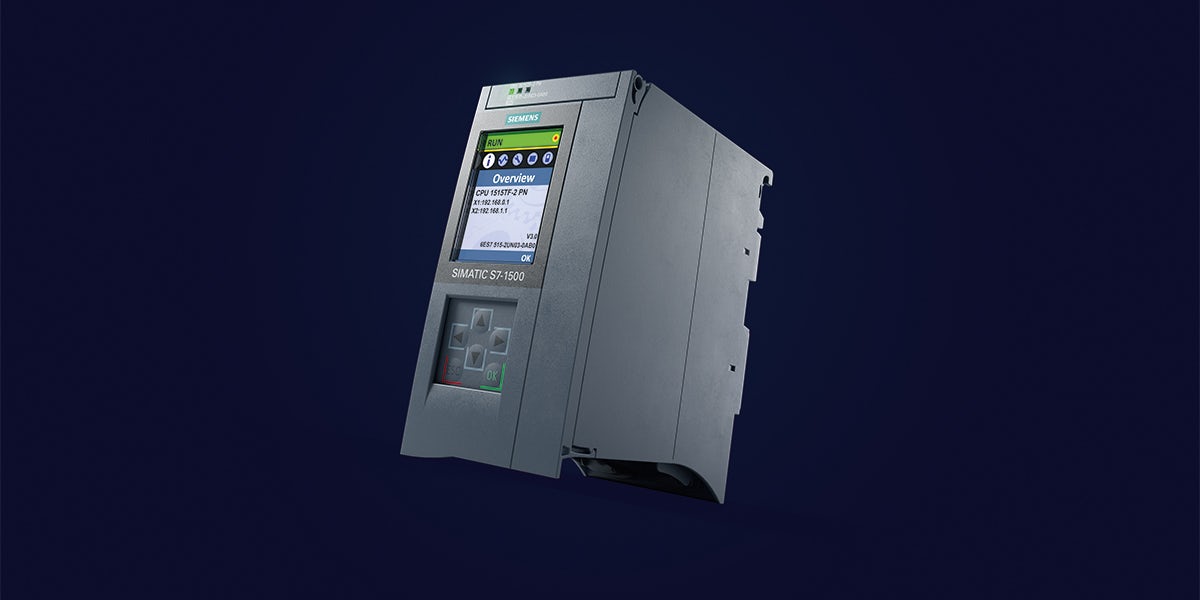
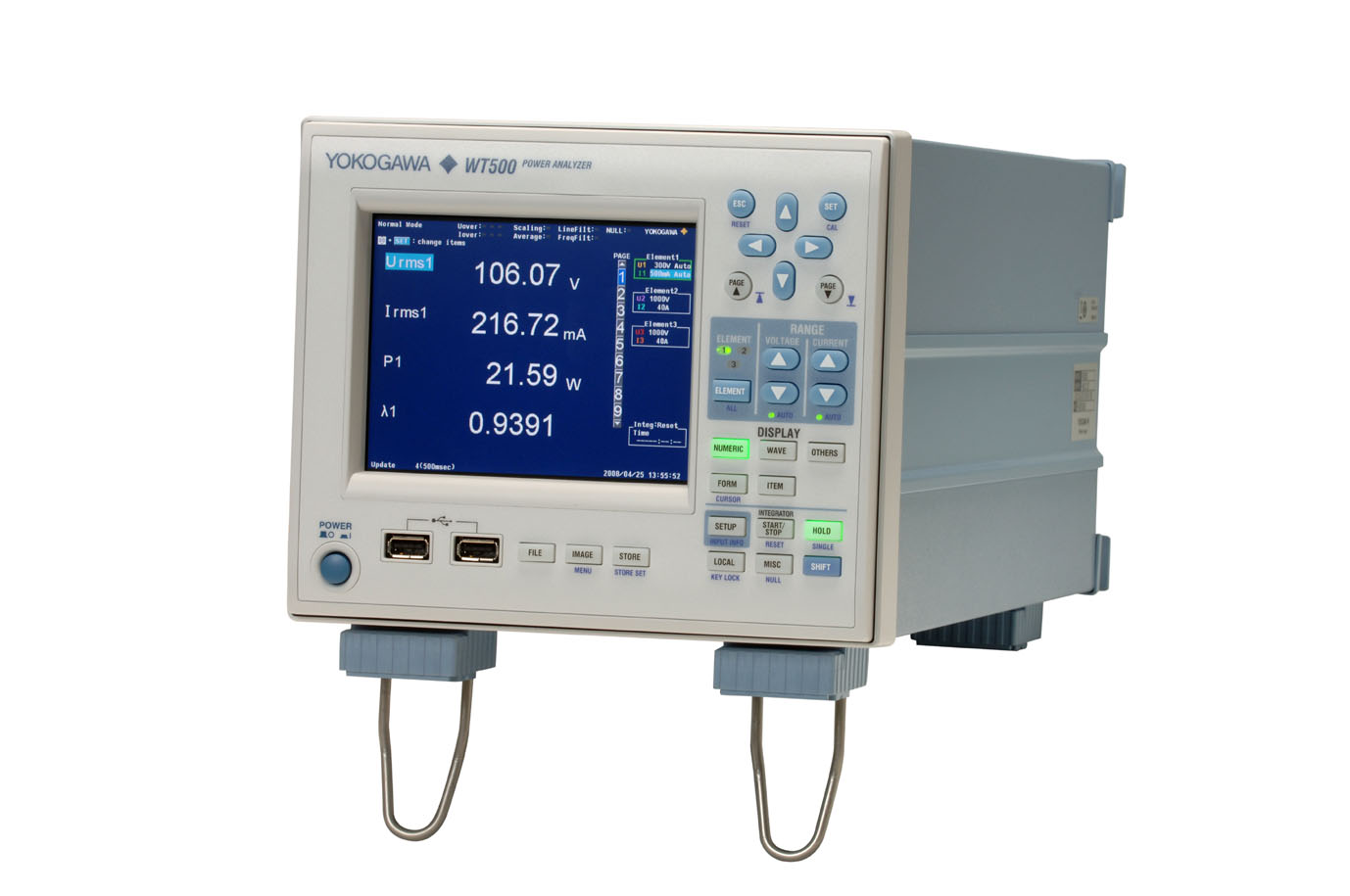
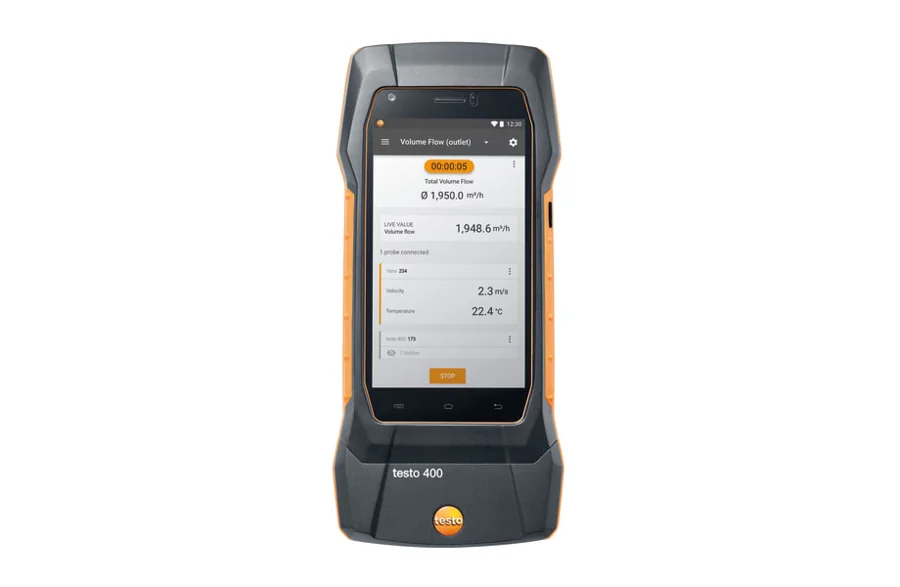
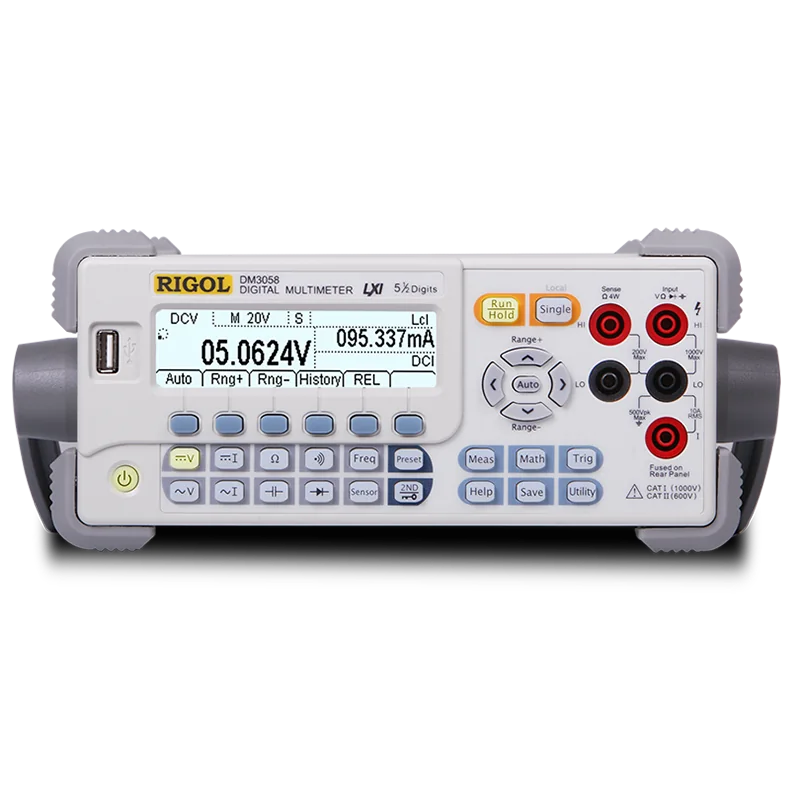
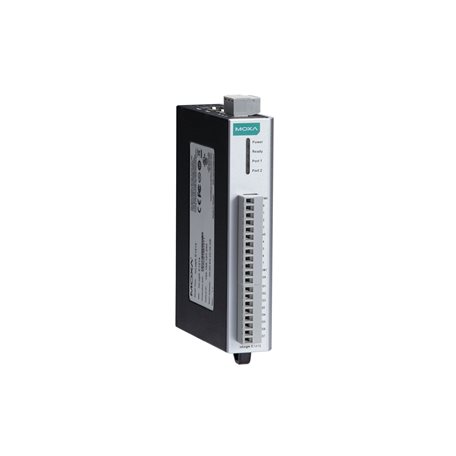
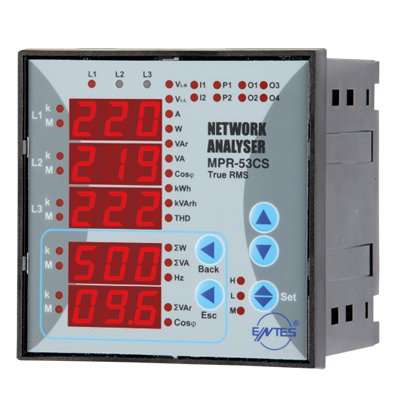
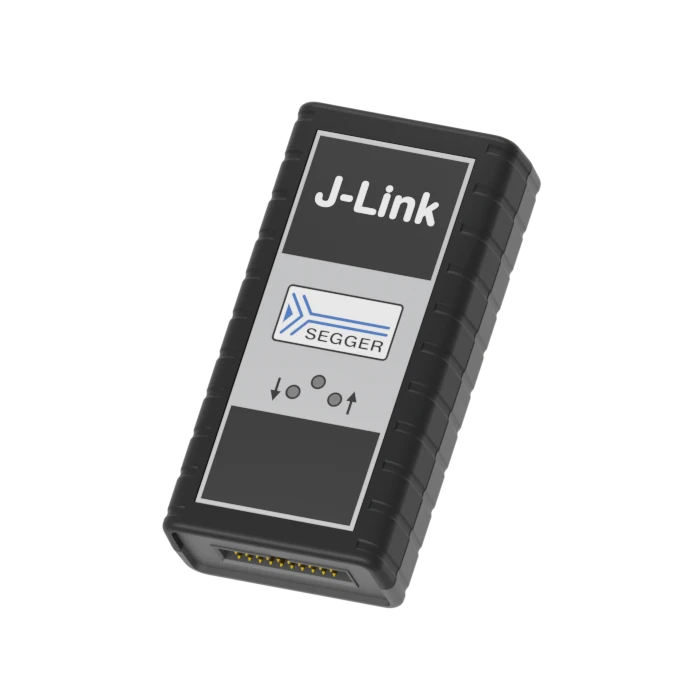
Selected families from the connectivity catalog
50+ / OPENPower & measurement
- Schneider ION6200
- Schneider PM5500
- Entes MPR53S
- Crompton Integra 1530 / 1630
- Mitsubishi ME96SS
- Yokogawa measurement series
- Chroma test equipment
Acquisition & I/O
- Keysight 34970A / DAQ970A + measurement portfolio
- National Instruments
- Moxa ioLogik E1262
- Rigol DM3058
- HP switchbox / 1411
- Arduino I/O
PLC & control
- Mitsubishi FX2N / FX3G / FX3U
- Siemens S7-300 / S7-1200 / S7-1500 family
- Encoder systems
- Flow-meter PLCs
Field & special systems
- 6 Testo devices
- Endress+Hauser ProMag 53
- SEGGER J-Link
- CAS ED30
- Radwag scales
- GM90PS
- GMT instrumentation
Brands and trademarks belong to their respective owners. Imagery identifies examples in the connectivity catalog and does not imply a commercial partnership.
Platform capabilities
From test floor to management,
one data language.
Desktop, web, mobile and API work with the same data context.
Device and protocol adapters
Bring the Testo measurement ecosystem and equipment across brands and generations into one connectivity layer.
↗Failure-resilient data flow
Monitor live measurements and device health; protect acquired data in a local journal until central acknowledgment.
↗Full-resolution analysis
Compare and report every measurement point, including values with duplicate timestamps.
↗Pre-test insight with machine learning
Catch likely faults from energy, temperature, flow, motion and product-state patterns before physical testing.
↗Design feedback through artificial intelligence
Turn field evidence into designer feedback and a clear design direction.
↗Mobile and remote operations
Monitor live status, records and critical workflows through a mobile interface from anywhere.
↗Two paths to modernization
Wherever you begin,
we start with what already works.
Retrofit or new build: the scope begins with your real operating environment.
Modernize an existing test station
Keep functioning hardware in place while upgrading the data and management layer.
- Device inventory
- Adapter design
- Phased migration
Design a new test system end to end
Bring hardware, automation and centralized data into one operating model.
- Station architecture
- Test automation
- Central data model
Adaptable use cases
From laboratory to production line.
Built around the test operating model, not one product category.
Make every experiment reproducible
Keep inputs, conditions, versions and outcomes in one context; compare different runs through the same data language.
- Prototype
- Design validation
- Comparison
Run stations on one operating model
See status live, isolate device faults by station and preserve a standard record flow.
- End-of-line
- Burn-in
- Quality control
Turn personal files into institutional memory
Make fragmented laboratory knowledge accessible through search, access control, record history and standard reports.
- Archive
- Traceability
- Reporting
Brownfield-first approach
Big transformation.
Small, proven steps.
Discover, pilot and scale without ripping out what already works.
- 01
Discover
Map devices, protocols and data risks.
- 02
Pilot
Validate connectivity, data integrity and operator flow on one representative station.
- 03
Scale and learn
Expand station by station; open validated data to machine-learning use cases.
Aligned with research
Industrial transformation.
Grounded in evidence.
Interoperability, phased retrofit and data standardization before artificial intelligence.
View research sources
NIST · Smart manufacturing
Interoperability is a shared challenge across equipment generations.
Open source ↗Peer-reviewed research · Brownfield retrofitThe lowest-risk path begins with a phased pilot on one selected asset.
Open source ↗Manufacturing research · Machine-learning readinessArtificial-intelligence success starts with data context and standardization.
Open source ↗Frequently asked questions
Technical questions.
Straight answers.
Short answers. Clear technical boundaries.
01Can we keep our current equipment?+
Yes. The first objective is to preserve equipment that works; direct connectivity or adapter needs are confirmed during technical discovery.
02Which devices are supported?+
Equipment brand is not a barrier to transformation. Serial, IP, VISA and vendor-specific interfaces join the adapter layer; exact scope is confirmed against your inventory.
03What is the first step?+
Share your device list. We will map integration needs and define a measurable pilot for one representative station.
Real equipment. Real use case.
Let’s choose the first station together.
No form is required. Share your device list by email or WhatsApp; we will map the integration and define a measurable pilot.